
Scottsdale Brush Removal Services
Choose our expert brush removal services for fast, thorough clearing that enhances your property's safety, curb appeal, and value—handled by a trusted local team committed to your satisfaction.
Get a Free QuoteOur Scottsdale Landscaping & Yard Care Services
When to Schedule Brush Removal in Scottsdale, Arizona – Seasonal Guide
In Scottsdale, Arizona, timing your brush removal is crucial for maintaining both the safety and beauty of your property. The region’s unique Sonoran Desert climate—with its hot, dry summers and mild winters—means that the best periods for brush removal are typically late winter through early spring, before the onset of extreme heat and after the risk of frost has passed. This window allows for easier removal of dry, dead vegetation and helps reduce fire hazards before the summer wildfire season. Neighborhoods near McDowell Mountain Ranch or around the Indian Bend Wash Greenbelt often experience rapid brush growth after winter rains, making early spring an ideal time for service.
Local environmental factors such as drought risk, low humidity, and sandy or rocky soil types can influence how quickly brush accumulates and how challenging removal may be. Areas with dense shade coverage, like those near the Scottsdale Civic Center, may see slower brush growth but can harbor hidden debris. It’s also important to stay informed about municipal restrictions and seasonal guidelines, which can be found on official resources like the Sudbury town website. By considering these local nuances, you can ensure your property remains safe, compliant, and visually appealing year-round.
Local Factors to Consider for Brush Removal in Scottsdale
- Tree and shrub density on your property
- Terrain type (rocky, sandy, or sloped areas)
- Seasonal precipitation and monsoon patterns
- Proximity to fire-prone open spaces or preserves
- Municipal restrictions and scheduled brush pickup dates
- Soil type and drainage characteristics
- Shade coverage and microclimates around your home
Benefits of Brush Removal in Scottsdale
Enhanced Curb Appeal
Improved Fire Safety
Healthier Plant Growth
Pest Reduction
Increased Usable Space
Professional and Timely Service
Scottsdale Brush Removal Types

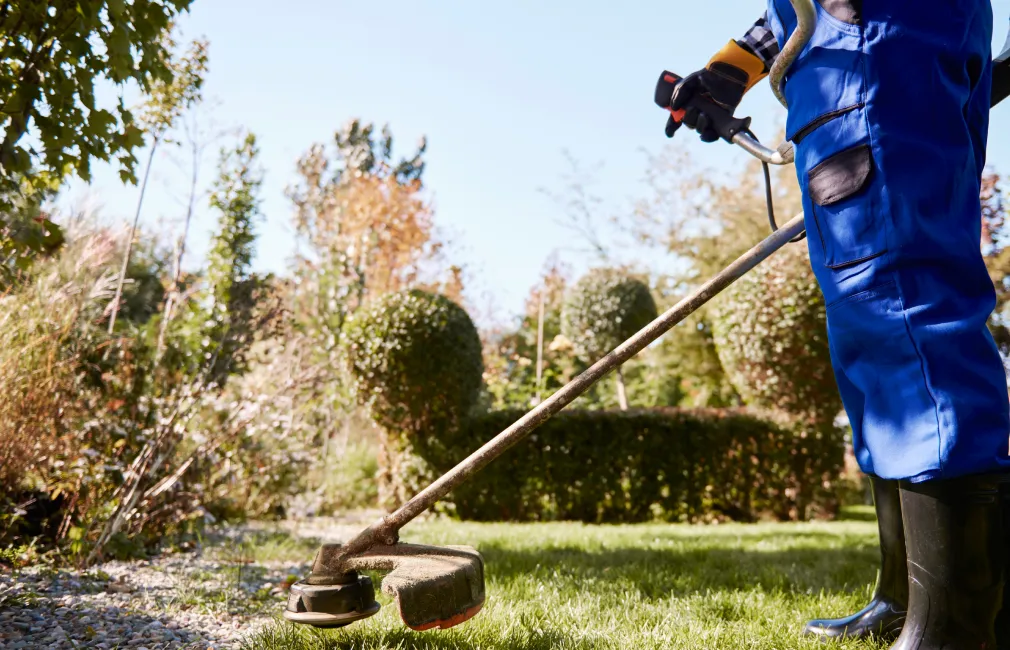
Manual Brush Clearing
-
Mechanical Brush Removal
-
Selective Tree Thinning
-
Chipping and Mulching
-
Defensible Space Creation
-
Lot and Land Clearing
-
Firebreak Installation
Our Brush Removal Process
Site Evaluation
Safety Preparation
Brush Clearing
Debris Removal
Final Inspection
Why Choose Scottsdale Landscape Services
-
Scottsdale Homeowners Trust Us
-
Expert Lawn Maintenance
-
Reliable Irrigation Solutions
-
Competitive Pricing
-
Professional Team
-
Satisfaction Guarantee
-
Personalized Service
Coordinating Brush Removal with Scottsdale's Municipal Waste and Environmental Programs
Brush removal in Scottsdale requires coordination with multiple city departments responsible for waste handling, right-of-way maintenance, and environmental compliance. Property owners generating brush from lot clearing, storm cleanup, or routine landscape maintenance should verify current bulk collection procedures and green waste disposal requirements through the city before staging material curbside. Scottsdale enforces specific rules regarding how brush and organic debris may be bundled, placed, and collected to prevent obstruction of sidewalks, streets, and drainage infrastructure.
- Brush piles placed in the public right-of-way must not block pedestrian pathways, curb inlets, or traffic sight lines
- Commercial-scale brush removal projects may require coordination with the city regarding hauling routes and disposal at approved facilities
- Properties adjacent to washes or drainage corridors should ensure no brush debris enters stormwater conveyance systems
Residents should also consult the Scottsdale Environmental Initiatives and Sustainability Division for guidance on recycling organic material and complying with solid waste diversion mandates.
Scottsdale Environmental Initiatives and Sustainability Division
Scottsdale, AZ
Official Website: Scottsdale Environmental Initiatives and Sustainability Division
Scottsdale Parks and Trees Program
Scottsdale, AZ
Official Website: Scottsdale Parks and Trees Program
How Scottsdale's Desert Heat and Monsoon Cycles Affect Brush Accumulation
Scottsdale sits within the Phoenix metro low desert, classified primarily in USDA Hardiness Zone 10a, where extreme summer heat and intense monsoon storms directly influence brush generation and removal logistics. Temperatures regularly exceeding 110°F accelerate dieback in drought-stressed vegetation, producing brittle deadwood that accumulates rapidly across residential and commercial properties. Soils throughout much of Scottsdale consist of alkaline sandy loam and decomposed granite, often underlain by caliche hardpan, which limits root depth and contributes to shallow-rooted plants toppling during high winds.
- Monsoon microbursts between July and September snap branches and scatter brush across lots, washes, and roadways
- Dried brush left on decomposed granite surfaces poses an elevated fire ignition risk during pre-monsoon heat
- Alkaline soils and low organic matter mean fallen brush decomposes slowly, requiring active removal rather than natural breakdown
- Runoff from monsoon events can carry loose brush into retention basins, flood-control channels, and MS4 storm sewer infrastructure
Understanding these conditions helps property managers time brush removal to reduce hazard exposure and protect downstream drainage systems.
Navigating Scottsdale's Zoning and Stormwater Regulations for Brush Removal Projects
Brush removal in Scottsdale intersects with several regulatory frameworks at the city and state level. Properties located near designated natural area open space, the McDowell Sonoran Preserve, or mapped wash corridors may face additional restrictions on vegetation disturbance. The Scottsdale Zoning Division administers land-use regulations that can affect how and where brush may be cleared, particularly on parcels with environmentally sensitive land overlays or native plant preservation requirements.
- Brush removal that involves grading, soil disturbance, or work within a floodplain may trigger review through the Scottsdale Design and Civil Engineering Division
- Stormwater compliance under the Clean Water Act requires that brush debris and sediment not be discharged into washes or storm drain inlets
- Properties within wildfire-sensitive zones in north Scottsdale should coordinate defensible space clearing with the Scottsdale Fire Department to confirm vegetation management expectations
- Disposal of brush classified as green waste must follow city-approved routing; verify current requirements with the appropriate municipal department before hauling
Scottsdale Design and Civil Engineering Division
Scottsdale, AZ
Official Website: Scottsdale Design and Civil Engineering Division
Timing and Methods for Professional Brush Removal in Scottsdale's Climate
Effective brush removal in Scottsdale follows seasonal patterns dictated by the desert climate. The optimal primary window falls between late October and early March, when temperatures are moderate enough for sustained outdoor labor and fire risk from dry brush is lower than during peak summer. A secondary critical window occurs immediately after monsoon season in late September and October, when storm-generated debris must be cleared before it obstructs drainage infrastructure or creates fire fuel loads heading into the dry fall period.
- Cut brush should be processed promptly rather than stockpiled on-site, as dried desert vegetation becomes highly flammable within days of cutting during warm months
- Mechanical chipping on-site reduces hauling volume and can produce mulch suitable for erosion control on exposed slopes
- Crews working near washes or retention basins should install temporary barriers to prevent brush fragments from entering stormwater conveyance systems
- Hand-clearing is often preferred over heavy equipment in areas with shallow caliche or near protected native plants such as saguaros and palo verde trees
- Early morning scheduling during summer months reduces heat-related safety risks for field crews and minimizes disturbance to neighboring properties
What Neighborhoods Do We Serve Throughout Scottsdale, AZ?
- McCormick Ranch — Mature landscaping along interconnected lakes and greenbelt corridors generates consistent brush from established trees and dense ornamental plantings requiring periodic clearing.
- DC Ranch — Properties bordering the McDowell Sonoran Preserve often require careful brush management to maintain defensible space while respecting native plant preservation guidelines.
- Gainey Ranch — Large irrigated lots with extensive tree canopies produce significant seasonal deadwood and storm debris that must be removed without disrupting shared drainage systems.
- Grayhawk — Newer subdivision lots with decomposed granite yards accumulate wind-blown brush and monsoon debris along block walls and common-area wash edges.
- North Scottsdale (Troon/Pinnacle Peak area) — Hillside and desert-edge properties face elevated wildfire fuel concerns and require brush clearing on slopes with rocky, caliche-heavy soils.
- Old Town Scottsdale — Compact urban lots with limited staging space demand efficient brush removal logistics and careful coordination to avoid blocking narrow streets or pedestrian areas.