
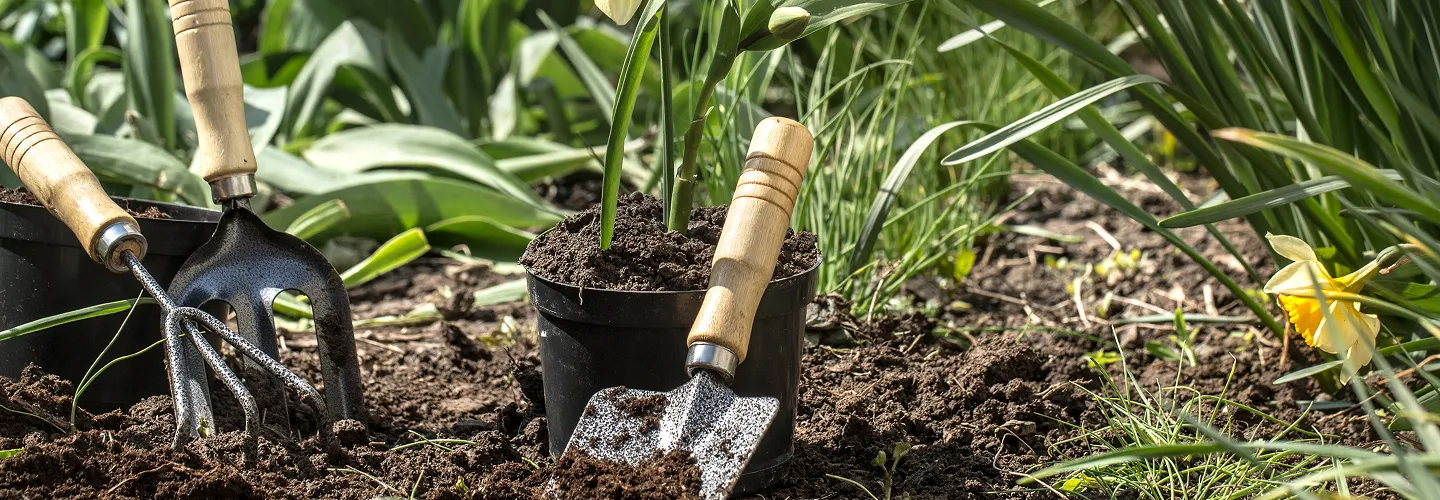
Scottsdale Lawn Seeding Services
Choose our professional lawn seeding services for a lush, resilient yard—our local expertise, premium seed blends, and proven techniques ensure your grass thrives in Scottsdale’s unique climate.
Get a Free QuoteOur Scottsdale Landscaping & Yard Care Services
When to Schedule Lawn Seeding in Scottsdale, Arizona – Seasonal Guide
Timing is everything when it comes to successful lawn seeding in Scottsdale, Arizona. Due to our region’s unique Sonoran Desert climate, the best periods for seeding are typically early spring and early fall. These windows offer moderate temperatures and more predictable rainfall, which are crucial for seed germination and healthy root development. In neighborhoods like McCormick Ranch and Gainey Ranch, homeowners often plan seeding around the last frost date in late February or early March, or after the intense summer heat subsides in late September.
Local environmental factors play a significant role in determining the optimal seeding schedule. Scottsdale’s sandy soils, variable shade from mature mesquite and palo verde trees, and the risk of drought all influence how and when to seed. Areas near Camelback Mountain may experience different microclimates compared to Old Town Scottsdale, so it’s important to assess your property’s specific conditions. For more information on local climate patterns and municipal guidelines, visit the official city resource.
Local Factors to Consider for Lawn Seeding in Scottsdale
- Tree density and shade coverage from native species
- Soil composition (sandy, clay, or loam)
- Average precipitation and irrigation availability
- Risk of drought and water restrictions
- Proximity to landmarks or microclimates (e.g., Camelback Mountain, Indian Bend Wash)
- Municipal regulations on watering and landscaping
Benefits of Lawn Seeding in Scottsdale
Expert Lawn Care Specialists
Customized Seeding Solutions
Fast and Reliable Service
Locally Sourced Grass Varieties
Competitive Pricing
Sustainable Landscaping Practices
Scottsdale Lawn Seeding Types

Bermuda Grass Seeding
Bermuda grass is a popular warm-season choice for Scottsdale lawns.
-
Ryegrass Overseeding
Ryegrass is commonly used for winter overseeding to maintain green lawns year-round.
-
Fescue Grass Seeding
Fescue grass offers shade tolerance and is suitable for cooler lawn areas.
-
Zoysia Grass Seeding
Zoysia grass provides a dense, drought-tolerant lawn ideal for Scottsdale climates.
-
Buffalo Grass Seeding
Buffalo grass is a low-maintenance, native option for sustainable landscaping.
-
Bluegrass Seeding
Bluegrass is valued for its lush appearance and adaptability in mixed-seed lawns.
Our Lawn Seeding Process
Site Evaluation
Soil Preparation
Seed Selection
Seeding Application
Watering and Maintenance
Why Choose Scottsdale Landscape Services
-
Scottsdale Homeowners Trust Us
-
Expert Lawn Maintenance
-
Reliable Irrigation Solutions
-
Competitive Pricing
-
Professional Team
-
Satisfaction Guarantee
-
Personalized Service
Coordinating Lawn Seeding Projects with Scottsdale's Water and Parks Departments
Lawn seeding in Scottsdale requires coordination with municipal programs that govern water use, landscape standards, and stormwater management. The Scottsdale Water Department administers drought conservation programs and reclaimed water services that directly affect irrigation scheduling during seed establishment. Property owners planning to seed or overseed turf areas should verify current watering allowances, as establishment irrigation demands frequent, short cycles that may conflict with drought-stage restrictions. The Scottsdale Parks and Recreation Department maintains public turf standards across neighborhood parks and community facilities, and its practices reflect regionally appropriate species selection and maintenance protocols that can inform residential and commercial seeding decisions.
- Confirm current irrigation restrictions with Scottsdale Water before beginning any seeding project
- Coordinate disposal of removed turf debris or soil amendments through municipal green waste channels
- Review any HOA landscape guidelines that may restrict turf species or coverage area
Scottsdale Water Department
Official Website: Scottsdale Water Department
How Scottsdale's Alkaline Soils and Desert Heat Affect Lawn Seeding Success
Scottsdale sits within USDA Hardiness Zone 9b–10a in the Phoenix metro low desert, where summer temperatures routinely exceed 110°F and annual rainfall averages roughly seven to eight inches, concentrated during the July–September monsoon. These conditions create specific challenges for seed germination and establishment. Soils across much of Scottsdale tend toward alkaline sandy loam, often underlain by caliche hardpan or compacted decomposed granite, both of which impede root penetration and water infiltration. The USDA Web Soil Survey documents the predominance of Gilman, Laveen, and similar arid soil series throughout the Salt River Valley floor.
- Soil alkalinity (pH commonly 7.5–8.5) can limit nutrient availability, particularly iron and phosphorus, during early seedling development
- Caliche layers may require mechanical amendment or deep ripping before seeding to allow adequate root-zone depth
- Reflected heat from block walls, concrete driveways, and decorative rock raises microclimate temperatures along turf edges, accelerating soil surface drying and reducing germination rates
- Monsoon runoff can wash unseeded or freshly seeded areas if grading does not direct flow away from the seedbed and toward retention basins or approved drainage channels
The Arizona Department of Water Resources provides landscaping guidance that emphasizes efficient irrigation design, which is essential during the high-frequency watering cycles required for seed establishment in this climate.
Navigating Scottsdale's Stormwater and Zoning Compliance for Lawn Seeding
Lawn seeding projects in Scottsdale must account for stormwater regulations, particularly where site grading, soil disturbance, or irrigation runoff could affect washes, retention basins, or municipal storm drain inlets. Under Arizona's Phase II MS4 program administered by Arizona DEQ, sediment and nutrient-laden runoff from freshly seeded or fertilized turf areas must not discharge into the municipal separate storm sewer system. Property managers should ensure that seed, mulch, and soil amendments are stabilized before monsoon events and that excess irrigation water does not carry material into street gutters or curb inlets.
- Verify zoning compliance for turf coverage through the Scottsdale Zoning Division, as some zoning districts or planned community overlays may regulate the percentage of living landscape versus hardscape
- Pesticide or herbicide applications associated with seedbed preparation require proper licensing under the Arizona Department of Agriculture certified applicator program
- Properties adjacent to designated washes or floodplain areas should confirm grading and drainage requirements with the Scottsdale Design and Civil Engineering Division before disturbing soil for seeding
Scottsdale Zoning Division
Official Website: Scottsdale Zoning Division
Scottsdale Design and Civil Engineering Division
Official Website: Scottsdale Design and Civil Engineering Division
Timing Lawn Seeding Around Scottsdale's Monsoon Season and Winter Overseeding Windows
Professional lawn seeding in Scottsdale follows two primary timing windows dictated by turf species and regional climate patterns. Bermudagrass, the dominant warm-season turf in the low desert, establishes most reliably when seeded during late spring through early summer—typically late April through June—when soil temperatures consistently exceed 65°F and daytime heat supports rapid germination. The University of Arizona Cooperative Extension provides detailed guidance on turf establishment timing for low-elevation Arizona. Winter overseeding with perennial ryegrass, a widespread practice in Scottsdale to maintain green turf through the cooler months, is typically performed in October when nighttime temperatures drop below 65°F and bermudagrass begins dormancy.
- Seed-to-soil contact is critical; light vertical mowing or power raking of existing bermudagrass before overseeding improves germination rates significantly
- Irrigation frequency during establishment typically requires multiple short cycles per day for the first two to three weeks, gradually tapering as seedlings root; verify current watering restrictions with Scottsdale Water before scheduling
- Starter fertilizer should be applied at rates appropriate for alkaline soils, with phosphorus availability confirmed through soil testing rather than assumed
- Mowing height for newly germinated ryegrass should remain at approximately 1.5 to 2 inches until the stand is fully established, per University of Arizona turfgrass maintenance guidance
- Avoid seeding immediately before forecast monsoon storms, as heavy rainfall can displace seed and create erosion channels on unprepared surfaces
What Neighborhoods Do We Serve Throughout Scottsdale, AZ?
- McCormick Ranch — Established irrigated lots with mature landscaping and extensive common-area turf create consistent demand for fall overseeding and bermudagrass renovation along lakeside and greenbelt corridors.
- Gainey Ranch — Large residential parcels with HOA-managed landscape standards often require coordinated overseeding schedules and species-specific seed selection to maintain uniform turf appearance.
- DC Ranch — Properties adjacent to the McDowell Sonoran Preserve may face slope and drainage considerations that affect seedbed preparation and irrigation runoff management.
- Grayhawk — Newer subdivision fill soils and compact lot configurations increase the importance of soil amendment and proper grading before seeding to ensure adequate root-zone development.
- Old Town Scottsdale — Smaller residential lots with hardscape-intensive surroundings experience elevated reflected heat, requiring careful irrigation scheduling during seed establishment periods.
- North Scottsdale — Desert transitional lots at higher elevations within the city may encounter rockier native soils and slightly different frost timing that influences both warm-season and cool-season seeding windows.