
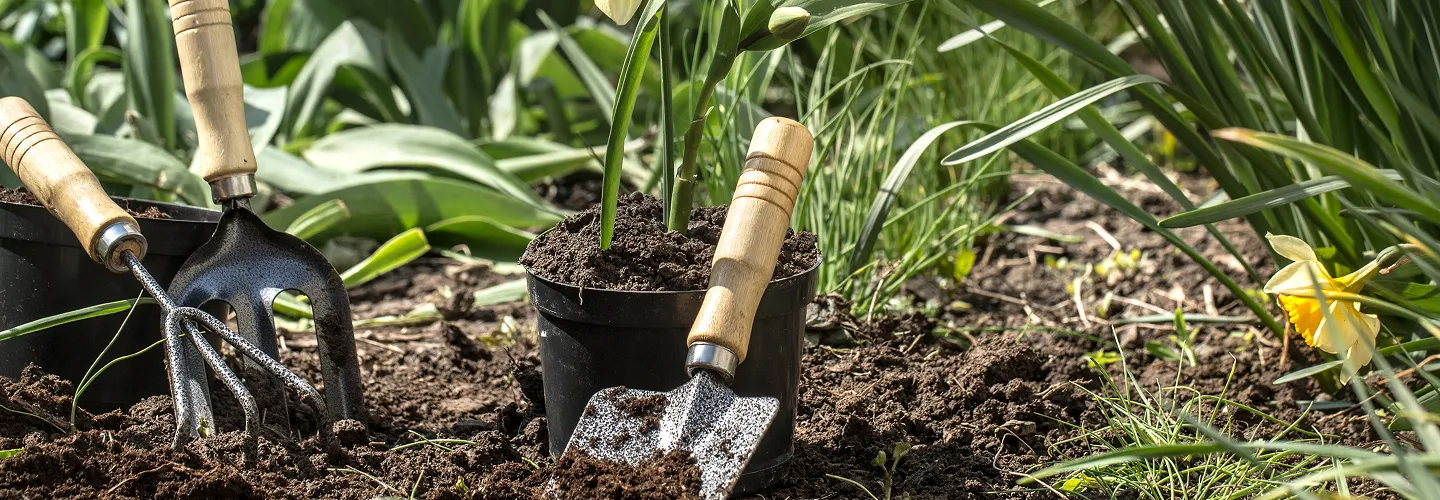
Scottsdale Dethatching Lawn Services
Choose our dethatching lawn services for a healthier, greener yard—our experienced team removes built-up thatch to improve water, nutrient, and air flow, ensuring your grass thrives all season long.
Get a Free QuoteOur Scottsdale Landscaping & Yard Care Services
When to Schedule Dethatching Lawn in Scottsdale, Arizona – Seasonal Guide
In Scottsdale, Arizona, the best time to schedule dethatching for your lawn is typically in late spring or early fall. These periods offer the most favorable conditions for grass recovery, as temperatures are moderate and the risk of extreme heat or frost is minimal. Scottsdale’s unique desert climate, with its hot summers and mild winters, means that dethatching during the peak of summer can stress your turf, while winter dethatching may expose roots to unexpected cold snaps.
Local neighborhoods like McCormick Ranch and Gainey Ranch often experience microclimates due to varying shade coverage from mature trees and proximity to water features. Soil in areas near Camelback Mountain tends to be sandy and drains quickly, which can influence how thatch builds up and breaks down. Homeowners should also consider Scottsdale’s municipal watering restrictions and the potential for drought, as these factors can impact the timing and effectiveness of lawn care services. For more information on local environmental guidelines, visit the official resource.
Local Factors to Consider for Dethatching Lawn in Scottsdale
- Tree density and shade coverage (e.g., Arcadia’s mature landscapes)
- Soil type (sandy vs. clay, especially near the Salt River)
- Recent precipitation and irrigation schedules
- Risk of drought or municipal watering restrictions
- Frost dates and seasonal temperature swings
- Terrain and slope, which affect water runoff and thatch accumulation
Benefits of Dethatching Lawn in Scottsdale
Improved Lawn Health
Enhanced Water Absorption
Boosted Grass Growth
Reduced Pest Problems
Increased Curb Appeal
Professional Landscaping Expertise
Scottsdale Dethatching Lawn Types

Bermuda Grass Dethatching
-
Zoysia Grass Dethatching
-
St. Augustine Grass Dethatching
-
Fescue Grass Dethatching
-
Ryegrass Dethatching
-
Bluegrass Dethatching
-
Buffalo Grass Dethatching
Our Dethatching Lawn Process
Lawn Evaluation
Thatch Depth Measurement
Dethatching Equipment Setup
Thatch Removal
Cleanup and Disposal
Why Choose Scottsdale Landscape Services
-
Scottsdale Homeowners Trust Us
-
Expert Lawn Maintenance
-
Reliable Irrigation Solutions
-
Competitive Pricing
-
Professional Team
-
Satisfaction Guarantee
-
Personalized Service
Coordinating Dethatching Lawn Debris Disposal Through Scottsdale Municipal Programs
Dethatching generates substantial volumes of organic debris that must be managed in accordance with Scottsdale's solid waste and stormwater protocols. Bermudagrass, the dominant warm-season turf across the city's low-desert landscape, produces dense thatch layers that yield significant material when mechanically removed. Property owners and managers should verify current green waste collection procedures and container requirements through the city before scheduling large-scale dethatching projects. Thatch debris must not be swept, blown, or deposited into street gutters, curb inlets, or drainage channels, as this material can obstruct stormwater infrastructure regulated under the Arizona DEQ Phase II MS4 program.
- Bag or containerize all removed thatch for curbside green waste collection or authorized drop-off
- Keep loose organic material away from washes, retention basins, and storm drain openings
- Coordinate bulk removal with the city if dethatching covers large commercial or multi-family turf areas
Scottsdale Environmental Initiatives and Sustainability Division
Official Website: Scottsdale Environmental Initiatives and Sustainability Division
How Scottsdale's Alkaline Soils and Desert Heat Influence Lawn Dethatching
Scottsdale sits within USDA Hardiness Zone 9b–10a in the Phoenix metro low desert, where bermudagrass dominates residential and commercial turf installations. The city's soils are predominantly alkaline sandy loams, often underlain by caliche hardpan, which restricts deep root development and makes surface thatch accumulation a more acute problem. When thatch exceeds approximately half an inch, water penetration through these already resistant soil profiles drops sharply, forcing irrigation to run off rather than infiltrate. The USDA Web Soil Survey confirms that many Scottsdale subdivisions sit on Gilman, Laveen, or similar calcareous soil series with limited organic matter retention.
- Alkaline soil pH reduces microbial decomposition of thatch, causing faster buildup than in neutral-pH regions
- Reflected heat from block walls, concrete patios, and decomposed granite hardscape intensifies turf stress where thatch restricts moisture
- Monsoon-season runoff moves more rapidly across thatched turf, increasing erosion risk near washes and retention basins
- Salt accumulation from reclaimed irrigation water compounds thatch density in bermudagrass stands
The Arizona Department of Water Resources emphasizes efficient irrigation as a core conservation strategy, and dethatching directly supports water penetration efficiency in Scottsdale's arid conditions.
Scottsdale Stormwater Compliance and Environmental Rules Affecting Lawn Dethatching
While dethatching a residential lawn does not typically require a city permit, the process intersects with several regulatory frameworks that Scottsdale property owners should understand. The city operates under a municipal separate storm sewer system (MS4) permit administered through Arizona DEQ stormwater programs, which prohibits the discharge of landscape debris, sediment, or organic material into the public drainage system. Thatch removed during dethatching qualifies as organic waste that must be contained on-site or properly disposed of through authorized channels.
- Loose thatch blown into streets or washes may constitute an illicit discharge under Clean Water Act provisions
- Properties adjacent to Indian Bend Wash or other flood-control corridors should take extra precautions to prevent debris migration during monsoon events
- HOA-governed communities may impose additional landscape maintenance schedules that affect dethatching timing
Scottsdale Water Department
Official Website: Scottsdale Water Department
Residents should also be aware that irrigation adjustments following dethatching must comply with any active drought-stage watering restrictions established by the Scottsdale Water Department. Verify current watering schedules before increasing post-dethatching irrigation frequency.
Timing Dethatching Lawn Around Scottsdale's Extreme Heat and Monsoon Season
Professional dethatching in Scottsdale should be timed to coincide with bermudagrass's active growth period, which generally spans late April through early June in the low desert. Dethatching during this window allows the turf to recover rapidly before peak summer temperatures exceed 110°F. The University of Arizona Cooperative Extension turfgrass guide recommends dethatching warm-season grasses only when they are actively growing and can fill in exposed areas within weeks.
- Use a vertical mower (verticutter) set to penetrate the thatch layer without cutting into the soil crown of bermudagrass stolons
- Mow the lawn slightly lower than normal before dethatching to reduce surface resistance and improve debris collection
- Irrigate deeply 24–48 hours before dethatching to soften the thatch layer and reduce dust generation
- Avoid dethatching during monsoon season (mid-June through September), when sudden heavy rainfall can wash exposed soil and loose thatch into drainage infrastructure
- Follow dethatching with a thorough irrigation cycle to encourage root recovery and reduce heat stress on exposed turf
Properties overseeded with perennial ryegrass during winter should complete dethatching after the ryegrass has fully transitioned out in spring, ensuring the bermudagrass base is actively growing before mechanical disruption occurs. Research from the University of Arizona Turfgrass Research program supports timing dethatching to periods when soil temperatures consistently exceed 65°F at a four-inch depth.
Scottsdale Parks and Recreation Department
Official Website: Scottsdale Parks and Recreation Department
What Neighborhoods Do We Serve Throughout Scottsdale, AZ?
- McCormick Ranch — Established irrigated turf areas with mature landscaping and proximity to lakes and greenbelt corridors require careful thatch management to maintain water efficiency and prevent organic debris from reaching adjacent waterways.
- Gainey Ranch — Large residential lots with extensive bermudagrass lawns and HOA-maintained common areas often accumulate significant thatch due to intensive irrigation schedules and high-input turf programs.
- DC Ranch — Properties bordering the McDowell Sonoran Preserve feature turf areas surrounded by native desert, where dethatching debris must be carefully contained to prevent migration into protected open space.
- Grayhawk — Newer subdivision soils composed of compacted fill and imported topsoil tend to develop thatch more rapidly due to limited microbial activity in amended soil profiles.
- Old Town Scottsdale — Smaller residential lots with older irrigation systems and mature bermudagrass stands frequently exhibit dense thatch layers compounded by years of accumulated organic material.
- North Scottsdale (Troon and Pinnacle Peak areas) — Sloped lots and rocky desert soils adjacent to wash corridors demand precise debris containment during dethatching to prevent runoff into natural drainage channels.