
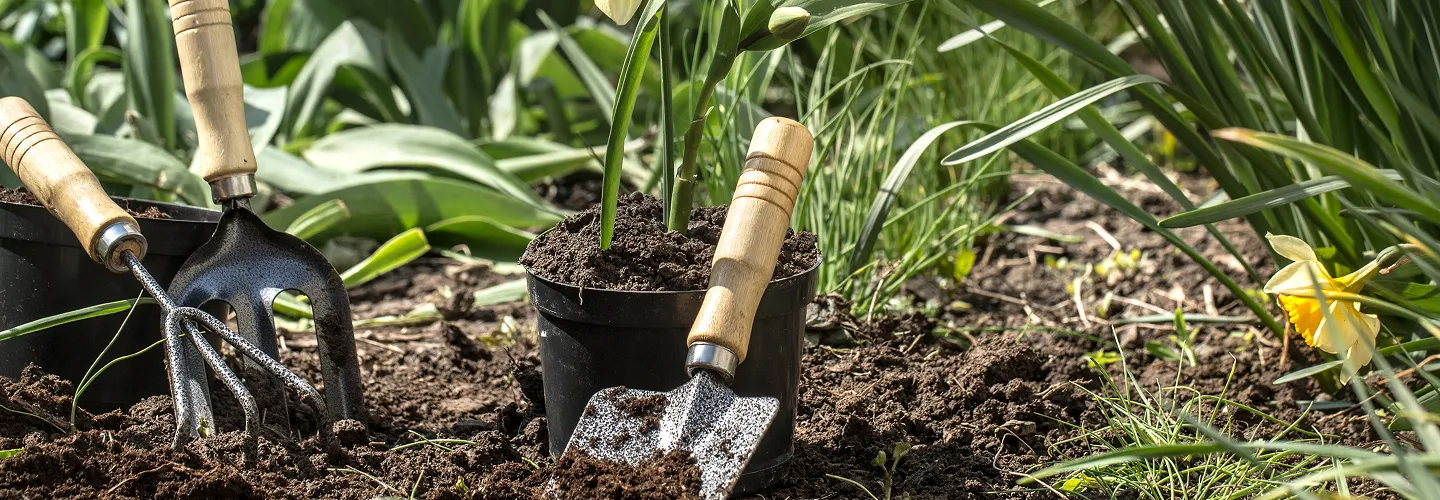
Scottsdale Lawn Renovation Services
Choose our expert lawn renovation services for a lush, healthy yard that boosts your home's curb appeal and provides a beautiful space for your family to enjoy year-round.
Get a Free QuoteOur Scottsdale Landscaping & Yard Care Services
When to Schedule Lawn Renovation in Scottsdale, Arizona – Seasonal Guide
In Scottsdale, Arizona, timing your lawn renovation is crucial for achieving a lush, healthy yard that thrives in our unique desert climate. The best periods for lawn renovation are typically late spring and early fall, when temperatures are moderate and the risk of extreme heat or frost is minimal. Scottsdale’s weather patterns—marked by hot, dry summers and mild winters—mean that soil moisture, humidity, and sun exposure play significant roles in determining the success of your renovation efforts. Neighborhoods like McCormick Ranch and Gainey Ranch, with their mature shade trees and varying soil types, may require different approaches compared to the open, sun-drenched lots near Old Town Scottsdale.
Local environmental factors such as the city’s average last frost date in early February, the prevalence of clay or sandy soils, and the risk of drought all influence the optimal renovation window. Homeowners should also consider municipal watering restrictions, which can impact the establishment of new grass. For more information on local guidelines and best practices, consult resources like the Sudbury municipal site.
Local Factors to Consider for Lawn Renovation in Scottsdale
- Tree density and shade coverage (e.g., Arcadia’s mature canopies vs. North Scottsdale’s open lots)
- Soil composition (clay, sand, or loam)
- Terrain and drainage patterns
- Seasonal precipitation and monsoon timing
- Risk of drought and water restrictions
- Proximity to landmarks or neighborhoods with unique microclimates
- Municipal regulations on irrigation and landscaping
Benefits of Lawn Renovation in Scottsdale
Expert Local Knowledge
Customized Lawn Solutions
Water-Efficient Landscaping
Enhanced Curb Appeal
Eco-Friendly Practices
Reliable Year-Round Service
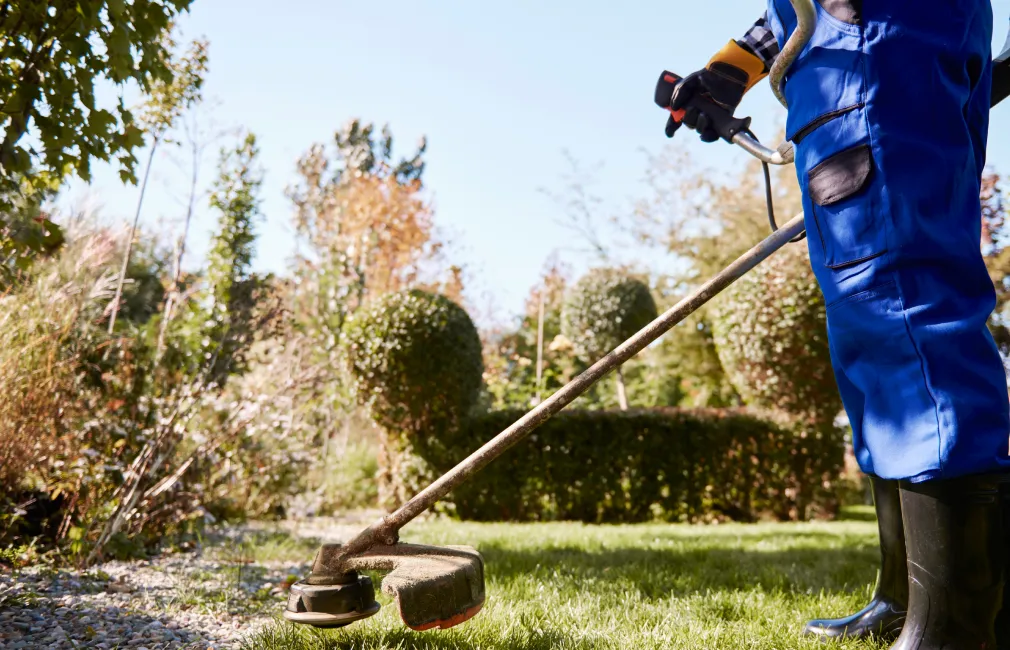
Scottsdale Lawn Renovation Types

Sod Installation
Professional replacement of existing grass with fresh, healthy sod for an instant lawn transformation.
-
Overseeding
Enhancing lawn density and color by spreading new grass seed over existing turf.
-
Soil Aeration
Improving soil health and root growth by relieving compaction through core aeration techniques.
-
Dethatching
Removing excess thatch buildup to promote better water, air, and nutrient absorption.
-
Topdressing
Applying a thin layer of soil or compost to improve lawn texture and nutrient content.
-
Weed and Pest Control
Targeted treatments to eliminate invasive weeds and harmful pests from your lawn.
-
Irrigation System Upgrades
Modernizing and optimizing sprinkler systems for efficient water usage and healthy turf.
Our Lawn Renovation Process
Site Evaluation
Soil Preparation
Seeding or Sodding
Watering and Fertilization
Ongoing Maintenance
Why Choose Scottsdale Landscape Services
-
Scottsdale Homeowners Trust Us
-
Expert Lawn Maintenance
-
Reliable Irrigation Solutions
-
Competitive Pricing
-
Professional Team
-
Satisfaction Guarantee
-
Personalized Service
Coordinating Lawn Renovation Projects with Scottsdale's Municipal Departments
Lawn renovation in Scottsdale involves more than replacing worn turf; it typically requires soil correction, grade repair, irrigation system audits, and coordination with city departments when work affects drainage patterns or right-of-way areas. Property owners and managers undertaking renovation on lots adjacent to washes, retention basins, or public easements should verify whether the scope of grading or soil import triggers review through the city's development services process. The Scottsdale Planning and Development Services Department coordinates site work reviews for projects that may alter surface drainage or require land disturbance beyond routine maintenance. For renovation work that generates significant volumes of old sod, excavated soil, or green waste, residents should confirm current bulk disposal and collection procedures through the city rather than depositing material near curb inlets or wash corridors.
- Confirm whether grade changes require engineering or development review before beginning soil work
- Coordinate green waste and sod disposal through verified municipal collection or transfer procedures
- Notify the city if renovation work encroaches on public easements or right-of-way areas
Scottsdale Planning and Development Services Department
Official Website: Scottsdale Planning and Development Services Department
Scottsdale Design and Civil Engineering Division
Official Website: Scottsdale Design and Civil Engineering Division
How Scottsdale's Alkaline Soils and Desert Heat Affect Lawn Renovation
Scottsdale sits within the Phoenix metro low desert, classified primarily in USDA Hardiness Zone 10a, where summer temperatures routinely exceed 110°F and annual rainfall averages under eight inches. These conditions create specific challenges for lawn renovation that differ substantially from temperate-climate turf recovery. Soils across much of Scottsdale tend toward alkaline sandy loam, often with caliche layers at varying depths that restrict root penetration and water infiltration. Subdivisions built on compacted fill may exhibit poor drainage and salt accumulation from years of irrigation with mineral-rich municipal or reclaimed water. The USDA Web Soil Survey provides parcel-level soil data that can inform amendment strategies before renovation begins.
- Caliche hardpan may require mechanical breaking or removal to restore adequate root-zone depth
- Salt buildup from reclaimed or high-TDS irrigation water can damage new turf if not leached prior to establishment
- Reflected heat from block walls, concrete, and decomposed granite surfaces intensifies turf stress along property edges
- Monsoon-season runoff can erode freshly graded areas if drainage is not properly directed toward retention features
Navigating Scottsdale's Regulatory Requirements for Lawn Renovation Compliance
Lawn renovation projects in Scottsdale must account for several layers of regulatory compliance. Stormwater management is a primary concern; under Arizona's Phase II MS4 program, sediment, fertilizer, and soil amendments must not enter storm drains, washes, or flood-control channels during or after renovation work. Contractors applying herbicides or soil treatments as part of renovation must hold valid credentials through the Arizona Department of Agriculture's licensing program. The Scottsdale Water Department administers drought-stage watering restrictions that directly affect irrigation scheduling during turf establishment, and property owners should verify current allowable watering days and times before committing to a renovation timeline. The Arizona Department of Water Resources provides additional guidance on water-efficient landscaping practices relevant to turf area decisions.
- Ensure all soil disturbance is stabilized before monsoon season to prevent sediment discharge into municipal storm infrastructure
- Verify that any pesticide or herbicide applicator involved in renovation holds current Arizona certification
- Confirm active watering restrictions with the Scottsdale Water Department before scheduling new turf establishment irrigation
Scottsdale Water Department
Official Website: Scottsdale Water Department
Timing Lawn Renovation around Scottsdale's Monsoon Season and Heat Cycles
Professional lawn renovation in Scottsdale's low desert follows a timing framework dictated by bermudagrass growth cycles and extreme seasonal temperatures. Bermudagrass, the dominant warm-season turf in the region, enters active growth from late April through September, making late spring the primary window for renovation activities such as soil correction, regrading, and sod or sprig establishment. The University of Arizona Cooperative Extension recommends completing major turf establishment before peak summer heat intensifies above 115°F, as new root systems are particularly vulnerable to desiccation. Renovation that includes winter overseeding with perennial ryegrass should target mid-October through early November, when soil temperatures drop below 75°F.
- Core aeration for compaction relief is most effective during bermudagrass active growth, typically May through August
- Irrigation audits should precede any turf installation to identify coverage gaps, pressure issues, or emitter failures
- Grade corrections must direct surface water toward retention areas or approved drainage paths, not toward neighboring properties or public infrastructure
- Salt-affected soils may require deep leaching irrigation cycles before new turf can establish, as outlined in University of Arizona turfgrass maintenance guidance
What Neighborhoods Do We Serve Throughout Scottsdale, AZ?
- McCormick Ranch — Established lots with mature irrigated bermudagrass lawns frequently require renovation to address compaction, salt accumulation, and aging irrigation infrastructure around the community's lake and greenbelt systems.
- Gainey Ranch — Large residential parcels with extensive turf areas often present grade settlement and irrigation uniformity challenges that necessitate comprehensive renovation rather than simple reseeding.
- DC Ranch — Properties adjacent to the McDowell Sonoran Preserve may face HOA landscape standards and drainage sensitivity that influence renovation scope and material selection.
- Grayhawk — Newer subdivision fill soils and reflected heat from stucco walls create turf stress patterns along property edges that renovation projects must specifically address.
- Pinnacle Peak Estates — Larger desert lots at higher north Scottsdale elevations experience slightly different frost exposure and soil profiles, requiring adjusted renovation timing.
- Old Town Scottsdale — Smaller urban lots with aging irrigation systems and compacted soils benefit from renovation approaches that prioritize efficient water use and drainage correction within tight site constraints.