
Scottsdale Lawn Mowing Services
Choose our lawn mowing service for reliable, professional care that keeps your yard looking immaculate all season long. Our experienced team uses top-quality equipment and attention to detail to ensure your lawn is healthy, beautiful, and the envy of the neighborhood.
Get a Free QuoteOur Scottsdale Landscaping & Yard Care Services
When to Schedule Lawn Mowing in Scottsdale, Arizona – Seasonal Guide
In Scottsdale, Arizona, timing your lawn mowing is crucial for maintaining a healthy, vibrant yard that can withstand the region’s unique climate. The best periods for mowing typically align with the city’s growing seasons, which are influenced by warm temperatures, low humidity, and the monsoon rains that arrive in late summer. For neighborhoods like McCormick Ranch and Gainey Ranch, lawns often begin growing vigorously in early spring, just after the last frost date, and continue through the fall until cooler temperatures slow growth.
Local environmental factors play a significant role in determining the optimal mowing schedule. Scottsdale’s soil tends to be sandy and well-draining, which, combined with the area’s drought risk, means lawns can dry out quickly if not properly cared for. Shaded areas near Camelback Mountain or along the Indian Bend Wash may require less frequent mowing due to slower grass growth, while open, sun-exposed yards will need more regular attention. For more information on local regulations and best practices, consult the city’s official resources.
Local Factors to Consider for Lawn Mowing in Scottsdale
- Tree density and shade coverage (affects grass growth rate)
- Terrain and slope (impacts mowing frequency and technique)
- Seasonal precipitation and monsoon patterns
- Soil type and drainage characteristics
- Municipal watering restrictions and guidelines
- Proximity to landmarks or natural features (e.g., desert preserves, golf courses)
Benefits of Lawn Mowing in Scottsdale
Expert Landscaping Services
Consistent Lawn Maintenance
Time-Saving Solutions
Enhanced Curb Appeal
Reliable Scheduling
Locally Trusted Professionals
Scottsdale Lawn Mowing Types

Standard Lawn Mowing
-
Mulching Mower Service
-
Bagging Mower Service
-
Reel Mower Cutting
-
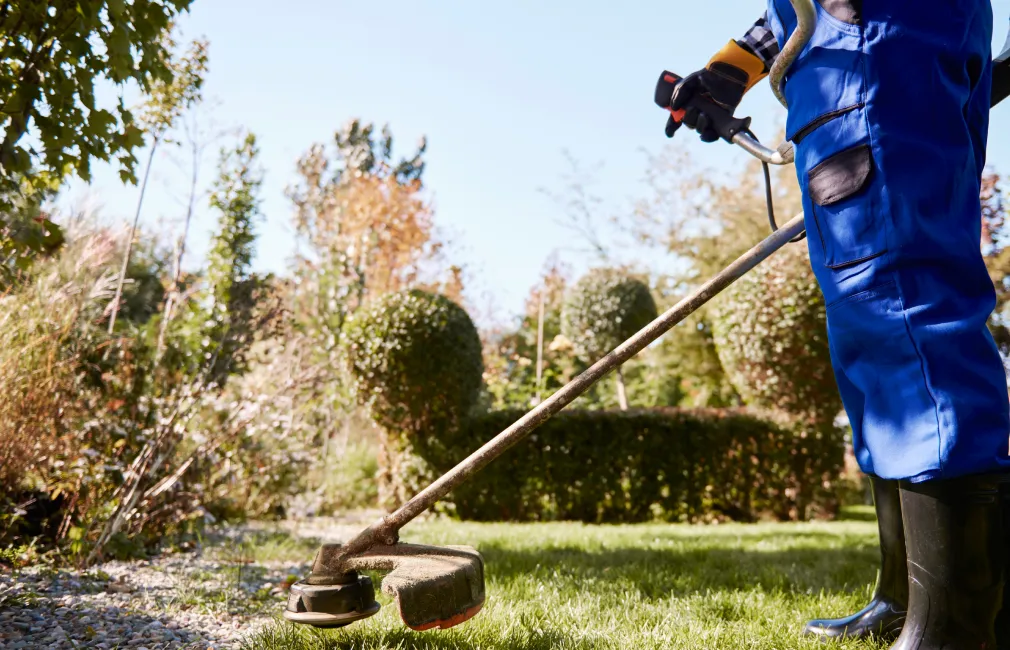
Edging and Trimming
-
Seasonal Lawn Scalping
-
Commercial Property Mowing
Our Lawn Mowing Process
Site Evaluation
Lawn Preparation
Mowing Execution
Edging and Trimming
Cleanup
Why Choose Scottsdale Landscape Services

-
Scottsdale Homeowners Trust Us
-
Expert Lawn Maintenance
-
Reliable Irrigation Solutions
-
Competitive Pricing
-
Professional Team
-
Satisfaction Guarantee
-
Personalized Service
Coordinating Lawn Mowing Services with Scottsdale's Municipal Water and Parks Programs
Lawn mowing in Scottsdale requires coordination with municipal programs that govern water use, green waste handling, and public landscape standards. The Scottsdale Water Department administers drought conservation programs and reclaimed water services that directly affect irrigation schedules, which in turn dictate when and how frequently turf should be mowed. Properties receiving reclaimed water for landscape irrigation must follow specific use guidelines that influence turf growth rates and mowing demand. Green waste generated from mowing—including grass clippings and incidental debris—must be managed in accordance with the city's solid waste procedures; residents should verify current curbside collection rules and accepted container types through the city rather than assuming standard pickup applies to all materials.
- Confirm irrigation source (potable vs. reclaimed) before adjusting mowing frequency
- Dispose of grass clippings according to the city's green waste collection guidelines
- Avoid depositing clippings into street gutters, curb inlets, or drainage channels
- Contact the Parks and Trees Program for guidance on mowing standards adjacent to public parkways or rights-of-way
Scottsdale Water Department
Official Website: Scottsdale Water Department
Scottsdale Parks and Trees Program
Official Website: Scottsdale Parks and Trees Program
How Scottsdale's Low-Desert Heat and Alkaline Soils Affect Lawn Mowing
Scottsdale sits within the Phoenix metro low-desert region, classified primarily in USDA Hardiness Zone 9b to 10a, where summer temperatures routinely exceed 110°F and soils trend strongly alkaline. The predominant soil profiles across much of the city include alkaline sandy loam, decomposed granite substrates, and caliche layers at varying depths—conditions that limit root penetration and water infiltration. Bermudagrass is the dominant warm-season turf, often overseeded with perennial ryegrass during cooler months. Reflected heat from block walls, concrete driveways, and decorative rock amplifies turf stress along property edges. Monsoon storms from July through September produce intense but brief runoff events that can wash loose clippings and sediment into washes and retention basins. The Arizona Department of Water Resources provides landscaping guidance relevant to managing turf irrigation efficiently in these conditions.
- Alkaline soils (pH commonly above 7.5) affect nutrient availability and turf vigor
- Caliche layers restrict drainage and may cause localized waterlogging after irrigation
- Reflected heat from hardscape surfaces increases mowing-edge stress on turf
- Monsoon runoff can carry clippings into Indian Bend Wash and neighborhood retention basins
Scottsdale's Stormwater and Zoning Regulations Governing Lawn Mowing Operations
Lawn mowing operations in Scottsdale must comply with stormwater protection requirements under the city's Phase II Municipal Separate Storm Sewer System (MS4) obligations. The Arizona DEQ stormwater program and the federal Clean Water Act establish the regulatory framework that prohibits discharge of landscape debris, sediment, or chemical-laden runoff into storm drains and natural washes. Mowing crews operating near curb inlets, retention basins, or wash corridors must prevent clippings and dust from entering the stormwater conveyance system. The Scottsdale Zoning Division enforces property maintenance standards that may include vegetation height limits on residential and commercial parcels; property owners should verify current code requirements for their zoning district. Commercial lawn care operators applying any pesticide or herbicide in conjunction with mowing must hold appropriate credentials through the Arizona Department of Agriculture's licensing program.
- Keep all grass clippings, leaf debris, and soil material out of storm drains and wash channels
- Verify vegetation height and property maintenance standards with the Zoning Division
- Ensure any chemical application is performed by a properly licensed applicator under state law
- Noise ordinance compliance should be confirmed for early-morning mowing in residential zones
Scottsdale Zoning Division
Official Website: Scottsdale Zoning Division
Timing and Mowing Height Standards for Scottsdale's Bermudagrass and Ryegrass Turf
Proper mowing height and seasonal timing are critical to turf health in Scottsdale's extreme climate. The University of Arizona Cooperative Extension and its Turfgrass Maintenance Guide for low-elevation Arizona provide research-based recommendations that apply directly to Scottsdale properties. Common bermudagrass lawns are typically maintained at approximately 1 to 1.5 inches during the active summer growing season, while overseeded perennial ryegrass during winter months is generally kept at 1.5 to 2.5 inches. Mowing should follow the one-third rule—never removing more than one-third of the blade height in a single pass—to avoid scalping and heat stress. During peak summer, mowing early in the morning reduces heat exposure for both turf and equipment operators. Irrigation should be timed so that turf is dry at the time of mowing to prevent clumping, uneven cuts, and disease promotion.
- Bermudagrass summer mowing height: approximately 1 to 1.5 inches
- Overseeded ryegrass winter mowing height: approximately 1.5 to 2.5 inches
- Follow the one-third rule to prevent scalping and turf stress
- Mow in early morning hours during summer to reduce heat-related damage
- Allow turf to dry after irrigation before mowing to ensure clean cuts
- Sharpen mower blades regularly to prevent tearing, which increases water loss from leaf tissue
What Neighborhoods Do We Serve Throughout Scottsdale, AZ?
- McCormick Ranch — This established community features extensive irrigated turf areas, mature landscaping, and proximity to lakes and greenbelt corridors that require careful clipping management to protect water features and drainage paths.
- Gainey Ranch — Large residential lots with significant bermudagrass coverage and HOA-maintained common areas demand consistent mowing schedules coordinated with community irrigation cycles.
- DC Ranch — Located against the McDowell Sonoran Preserve, properties here often combine desert-adapted landscaping with irrigated turf zones, requiring attention to wash adjacency and preserve buffer standards.
- Grayhawk — This master-planned community includes both residential and golf-corridor turf areas where mowing timing must account for reflected heat from surrounding hardscape and walls.
- Old Town Scottsdale — Smaller urban lots with mixed turf and hardscape present access constraints and require careful debris containment near curb inlets and pedestrian areas.
- North Scottsdale (Troon / Pinnacle Peak area) — Larger desert lots at higher elevations may feature limited turf patches surrounded by native desert, where mowing must avoid disturbing adjacent natural vegetation and drainage washes.