
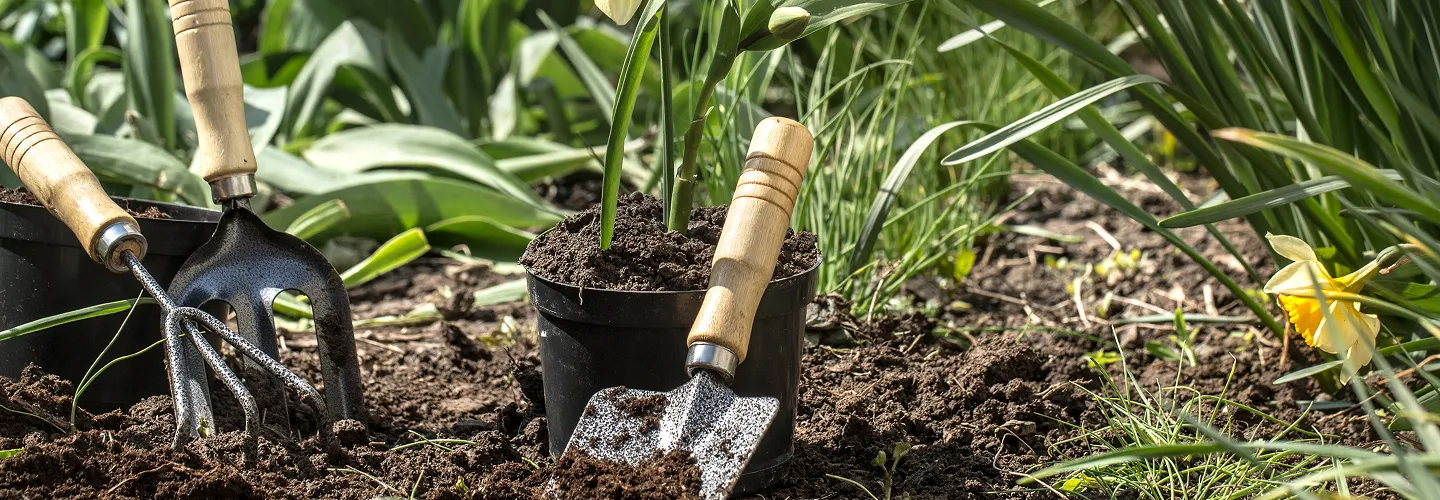
Scottsdale Green Waste Disposal Services
Choose our Green Waste Disposal service for reliable, environmentally responsible removal of yard debris and organic waste—helping you keep your property beautiful while protecting the planet.
Get a Free QuoteOur Scottsdale Landscaping & Yard Care Services
When to Schedule Green Waste Disposal in Scottsdale, Arizona – Seasonal Guide
In Scottsdale, Arizona, the timing of green waste disposal is closely tied to our unique Sonoran Desert climate and the rhythms of local landscaping needs. The best periods for scheduling green waste removal are typically late winter through early spring and again in late fall. These windows align with the end of frost risk—usually after mid-February—and precede the intense summer heat, making it safer and more efficient to clear out trimmings, palm fronds, and other organic debris. Neighborhoods like McCormick Ranch and Gainey Ranch, with their mature shade trees and lush plantings, often require more frequent attention, especially after seasonal monsoon storms or during periods of rapid growth.
Local environmental factors play a significant role in determining the optimal schedule. Scottsdale’s low humidity and alkaline soils can accelerate the drying of green waste, but drought conditions and municipal water restrictions may limit when and how much you can prune. Areas near Camelback Mountain or the Indian Bend Wash Greenbelt may also experience microclimates that affect plant growth and debris accumulation. For more information on local guidelines and best practices, consult resources like the Sudbury municipal site.
Local Factors to Consider for Green Waste Disposal in Scottsdale
- Tree and shrub density in your yard (e.g., mature mesquite or palo verde stands)
- Proximity to washes, golf courses, or natural preserves
- Seasonal precipitation patterns and monsoon storm debris
- Municipal collection schedules and restrictions
- Soil type and drainage characteristics
- Shade coverage and sun exposure
- Neighborhood-specific landscaping ordinances
Benefits of Green Waste Disposal in Scottsdale
Eco-Friendly Landscaping Solutions
Efficient Yard Waste Removal
Promotes Healthy Plant Growth
Reduces Landfill Waste
Supports Local Sustainability
Enhances Property Curb Appeal
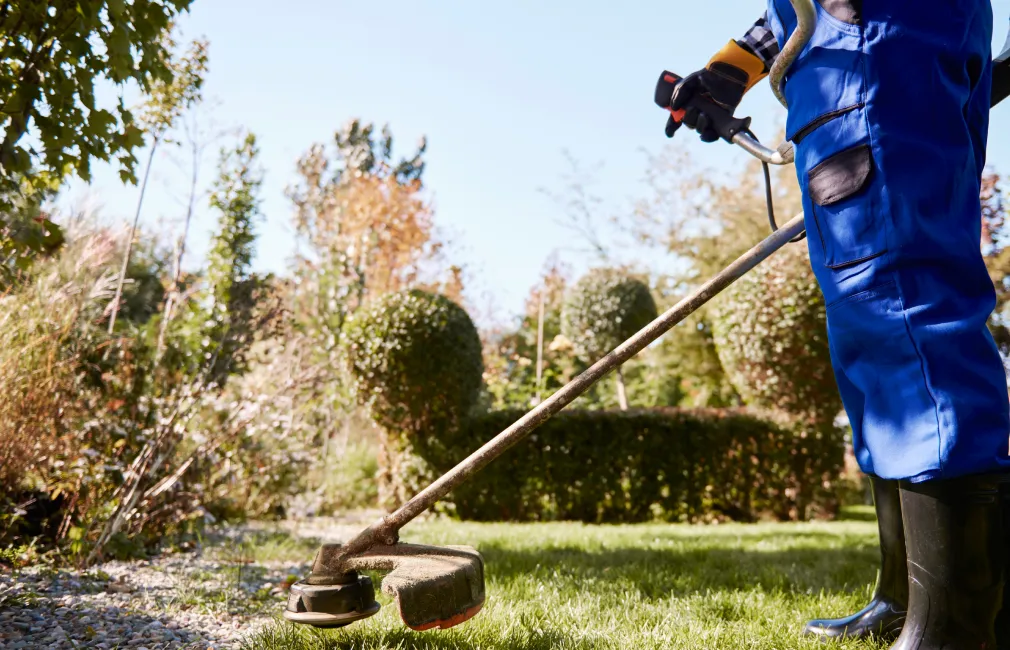
Scottsdale Green Waste Disposal Types

Grass Clippings
-
Tree Branches
-
Shrub Trimmings
-
Leaves Collection
-
Palm Fronds
-
Weed Removal
-
Garden Debris
Our Green Waste Disposal Process
Collection of Green Waste
Sorting and Separation
Transport to Disposal Facility
Eco-Friendly Processing
Why Choose Scottsdale Landscape Services
-
Scottsdale Homeowners Trust Us
-
Expert Lawn Maintenance
-
Reliable Irrigation Solutions
-
Competitive Pricing
-
Professional Team
-
Satisfaction Guarantee
-
Personalized Service
Coordinating Green Waste Disposal Through Scottsdale's Municipal Collection Programs
Green waste disposal in Scottsdale requires coordination with the city's solid waste and environmental programs to ensure organic landscape debris is handled in compliance with local collection standards. Scottsdale's municipal framework addresses how residents and property managers should prepare, contain, and present green waste for pickup or transport to authorized facilities. Accepted organic materials generally include tree trimmings, shrub clippings, grass cuttings, and other plant-based debris generated from routine landscape maintenance. Property owners should verify current bundling, container, and volume requirements directly with the city, as rules may differ for residential curbside service versus commercial hauling operations.
- Separate green waste from general household trash and construction debris before placing it for collection
- Confirm whether your property falls under city-managed pickup or requires private hauling arrangements
- Contact the city's environmental division to clarify seasonal collection schedules or temporary service changes
The Scottsdale Environmental Initiatives and Sustainability Division oversees recycling mandates and solid waste compliance tracking, making it a primary resource for disposal routing questions.
Scottsdale Environmental Initiatives and Sustainability Division
7447 E Indian School Rd, Scottsdale, AZ 85251
Official Website: Scottsdale Environmental Initiatives and Sustainability Division
How Scottsdale's Low-Desert Heat and Monsoons Shape Green Waste Volumes
Scottsdale sits within the Phoenix metro low-desert region, classified primarily in USDA Hardiness Zone 10a, where extreme summer heat and intense monsoon storms directly influence the volume and timing of green waste generation. Temperatures routinely exceeding 110°F accelerate leaf drop from stressed mesquite, palo verde, and other desert-adapted trees, while irrigated landscapes with bermudagrass or overseeded ryegrass produce steady clipping volumes during active growth periods. Monsoon season, typically from mid-June through September, generates sudden surges of broken branches, dislodged palm fronds, and wind-scattered organic debris across residential and commercial properties.
- Alkaline, calcium-carbonate-rich soils and caliche layers common throughout Scottsdale limit natural decomposition rates, making prompt removal of accumulated green waste important
- Monsoon runoff can carry loose organic debris into washes, retention basins, and storm-drain inlets, creating blockages and water-quality concerns
- Decomposed granite surfaces prevalent in xeriscape yards trap fine plant litter that must be raked and collected separately from gravel
The USDA Web Soil Survey confirms that much of Scottsdale's developed area features Gilman and Laveen soil series—sandy loams with high calcium carbonate content that resist organic breakdown and contribute to surface accumulation of plant debris.
Scottsdale's Stormwater and Disposal Regulations Governing Green Waste Compliance
Green waste disposal in Scottsdale intersects with both municipal code enforcement and state-level stormwater protection requirements. Under Arizona's Phase II Municipal Separate Storm Sewer System (MS4) program administered by Arizona DEQ, organic debris must not be allowed to enter storm drains, washes, or flood-control channels. The federal Clean Water Act establishes the broader regulatory framework requiring municipalities like Scottsdale to prevent pollutant discharge through their stormwater systems, and green waste left in rights-of-way or near drainage infrastructure can constitute a violation.
- Property owners and landscape contractors must keep clippings, trimmings, and brush piles away from curb inlets, retention basins, and wash corridors
- Commercial landscape operators generating large volumes of green waste should verify whether the city requires manifested hauling to licensed facilities
- Illegal dumping of green waste on vacant lots, in desert preserves, or along wash banks may trigger code enforcement action through the Scottsdale Zoning Division
Scottsdale Design and Civil Engineering Division
7447 E Indian School Rd, Scottsdale, AZ 85251
Official Website: Scottsdale Design and Civil Engineering Division
Properties adjacent to the Indian Bend Wash or other major drainage corridors should exercise particular caution, as organic material deposited near these channels can impede flood-control function during monsoon events.
Timing and Methods for Green Waste Disposal in Scottsdale's Desert Climate
Professional green waste disposal in Scottsdale follows seasonal patterns dictated by the desert growth cycle and storm calendar. The heaviest disposal volumes typically occur during three periods: late winter and early spring when pre-summer pruning generates substantial woody debris, late spring when winter ryegrass is scalped or removed from overseeded bermudagrass lawns, and immediately following monsoon storms when wind-damaged vegetation requires rapid cleanup.
- Bundle branches and woody trimmings securely; loose piles left at curbside risk scattering into streets and drainage paths during wind events
- Bag grass clippings and fine organic material in containers that prevent dispersal, and confirm acceptable container types with the city's collection program
- Schedule large-scale green waste removal from commercial properties or HOA common areas during early morning hours to reduce heat exposure for workers and minimize material drying that increases airborne dust
- Avoid stockpiling green waste on decomposed granite or near irrigation emitters, as decomposing organic matter can attract pests and create localized moisture problems in Scottsdale's arid soils
The Scottsdale Parks and Trees Program manages the city's urban forestry canopy and can provide guidance on tree-related debris handling, particularly for protected or significant specimens on public-facing property.
Scottsdale Parks and Trees Program
Official Website: Scottsdale Parks and Trees Program
What Neighborhoods Do We Serve Throughout Scottsdale, AZ?
- McCormick Ranch — This established community features mature landscaping with dense tree canopies and irrigated turf areas that generate consistent green waste volumes throughout the growing season, particularly during overseeding transitions and monsoon cleanup periods.
- Gainey Ranch — Large residential lots with extensive ornamental plantings and palm trees produce significant seasonal debris, and HOA standards often require prompt removal of fallen fronds and trimmings.
- DC Ranch — Located along the McDowell Sonoran Preserve boundary, properties here generate native desert plant debris and must manage green waste carefully to avoid material migrating into protected preserve areas.
- Grayhawk — This master-planned community's common-area landscaping and individual lot maintenance create steady disposal needs, with wash-adjacent parcels requiring particular attention to debris containment.
- Old Town Scottsdale — Compact commercial and residential lots in this urban core present access challenges for green waste hauling equipment, and proximity to the Indian Bend Wash demands careful debris management.
- North Scottsdale (Troon and Pinnacle Peak areas) — Hillside lots with native desert vegetation, decomposed granite surfaces, and steep grades require specialized collection logistics and erosion-conscious disposal practices.